Beyond the Headlines: How West Asia Conflict Reshapes India''s Agricultural
The West Asia conflict is not just a geopolitical event but a profound supply
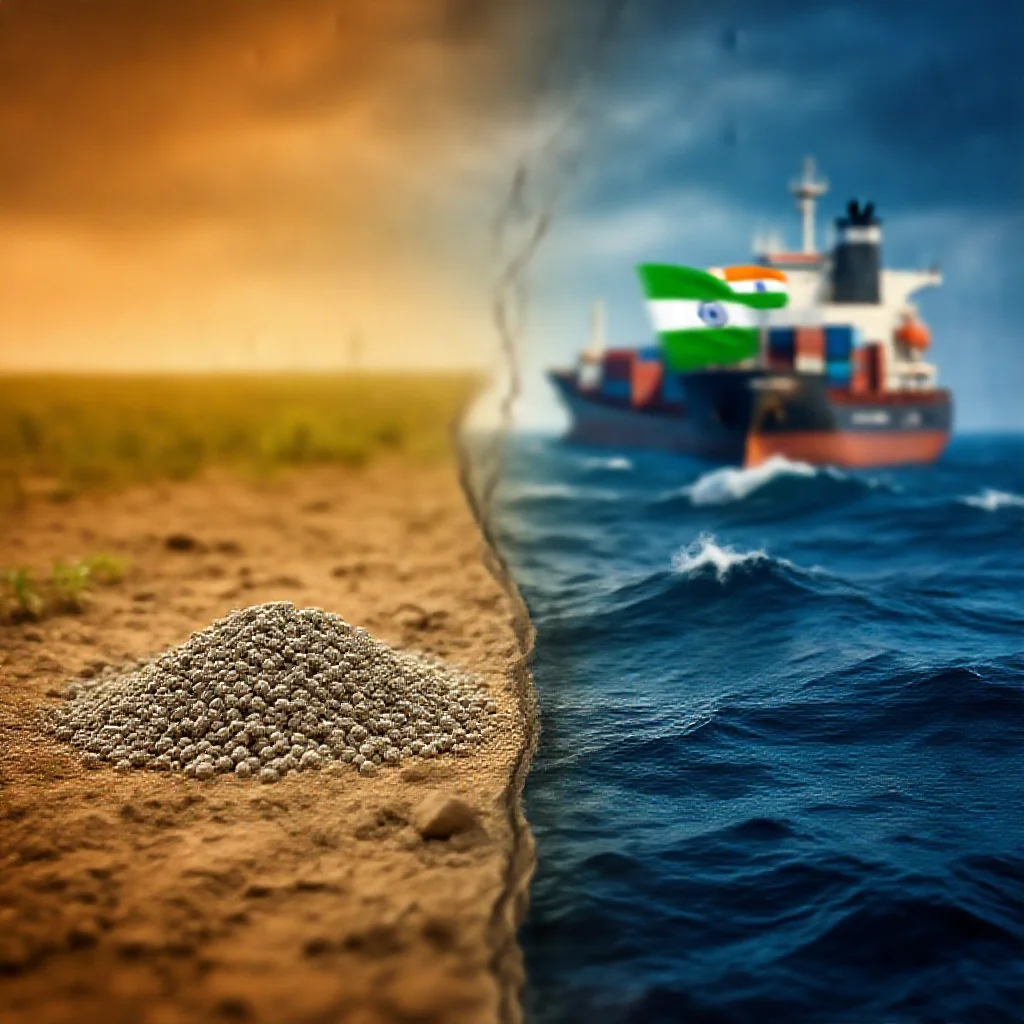
Beyond the Headlines: How West Asia Conflict Reshapes India's Agricultural Supply Chain
Introduction: The Twin Squeeze on Indian Agriculture
The ongoing conflict in West Asia functions as a systemic stress test for global supply chains, with India's agricultural sector experiencing a distinct, dual-track pressure. The disruption extends beyond transient commodity price fluctuations, revealing structural vulnerabilities within the agricultural value chain. The core thesis of this analysis is that the geopolitical instability applies simultaneous and compounding pressure at both the inception and the terminus of the chain: escalating pre-harvest input costs and constricting post-harvest export logistics. Tangible symptoms include a documented rise in fertilizer prices and a significant extension in maritime shipping times, which collectively threaten the economic viability of the sector from farm to port.
!Infographic showing a simplified agricultural value chain
The Pre-Harvest Pinch: Decoding the Input Cost Inflation
The inflationary pressure begins before sowing. A primary indicator is the approximate 10% increase in the cost of Muriate of Potash (MOP) (Source 1: [Primary Data]). India is a major importer of potash, with key shipping routes for these raw materials traversing regions now affected by heightened geopolitical risk and insurance premiums. This cost escalation is not isolated to MOP. Similar pressures impact other critical, import-dependent fertilizers like Diammonium Phosphate (DAP), where global supply tightness and freight disruptions contribute to upward price momentum.
The on-ground impact is a direct erosion of farmer margins at the production stage. These input cost increases are absorbed by the farmer well before harvest, compressing profitability and potentially influencing cropping decisions and investment in yield-enhancing technologies. This front-end squeeze weakens the foundational resilience of the agricultural production system, making it more susceptible to subsequent shocks further down the chain.
!Line chart showing rising fertilizer cost index
The Post-Harvest Gridlock: When Shipping Delays Become a Competitive Disadvantage
Simultaneously, the conflict creates a severe bottleneck at the export stage. The Red Sea crisis has precipitated a 15-20% increase in freight costs and extended shipping times by 15-20 days (Source 1: [Primary Data]). The operational impact of these delays transcends mere logistics. For agricultural commodities, especially those trading on quality and timely delivery, extended transit times translate into a competitive disadvantage.
A pertinent case study is basmati rice, a premium export where India holds significant market share. Shipments to key markets now require 25-30 days instead of the standard 20-25 days (Source 1: [Primary Data]). This delay risks the "perishable" reputation for reliability among international buyers operating on just-in-time inventory models. The quantifiable "reliability cost" may surpass the direct freight increase. It encompasses potential loss of buyer trust, renegotiation of contracts, and the long-term risk of market share ceding to competitors with more stable and predictable logistics corridors.
!Photo of a bustling Indian port with delayed timeline overlay
The Hidden Axis: From Cost-Centric to Reliability-Centric Logistics
The confluence of these pressures signals a fundamental shift in the logistics calculus for Indian agricultural exports. The primary metric is evolving from a singular focus on minimizing freight costs to a more complex evaluation of supply chain reliability and predictability. This shift disproportionately affects high-value, branded, or time-sensitive agricultural products destined for discerning markets.
Entities like the Agricultural and Processed Food Products Export Development Authority (APEDA) now face a strategic imperative beyond market promotion: facilitating supply chain resilience. This involves analyzing and potentially incentivizing alternative routing, advocating for stable freight agreements, and exploring multimodal transport solutions to mitigate single-point failures like the Red Sea chokepoint. The operational challenge for exporters and coordinating bodies is to manage this transition without rendering Indian goods uncompetitive on a total landed cost basis.
Strategic Implications: Input Security and Export Competitiveness
The current disruption raises two parallel strategic questions for India's agricultural policy framework. First, on the input side, it underscores the long-debated issue of import dependency for critical fertilizers. The vulnerability exposed by geopolitical shocks provides a renewed economic rationale for accelerating investments in domestic production capacity and alternative nutrient sourcing strategies to enhance input security.
Second, on the output side, the erosion of logistical reliability threatens India's hard-earned competitiveness in premium export segments. Maintaining market share will require systemic improvements in port efficiency, hinterland connectivity, and the development of strategic export logistics partnerships. The alternative is a gradual downgrading of export baskets to more commoditized, less time-sensitive products, which typically command lower margins and offer less economic value.
Conclusion: A Resilience Reckoning
The West Asia conflict has acted as a catalyst, exposing and amplifying pre-existing fault lines within India's agricultural supply chain. The analysis confirms a dual pressure mechanism: rising input costs compress farmer incomes at the production origin, while logistical delays and costs undermine value realization at the export destination. The net effect is a compression of economic viability across the chain.
Future trends will likely be defined by the sector's response to this resilience reckoning. Market predictions indicate a prolonged period of elevated geopolitical risk premium on shipping, necessitating permanent adjustments in trade finance and contracting. The industry will likely see accelerated adoption of supply chain visibility tools and a diversification of routing options. The ultimate outcome hinges on whether the current disruption triggers a coordinated, strategic effort to build a more decentralized, resilient, and technologically integrated agricultural logistics framework, or if the sector remains in a reactive cycle to the next geopolitical shock.