India''s Palm Oil Retreat: Price Shocks, Inventory Glut, and a Shifting Import
India''s palm oil imports plunged 19% in March 2024 to a three-month low
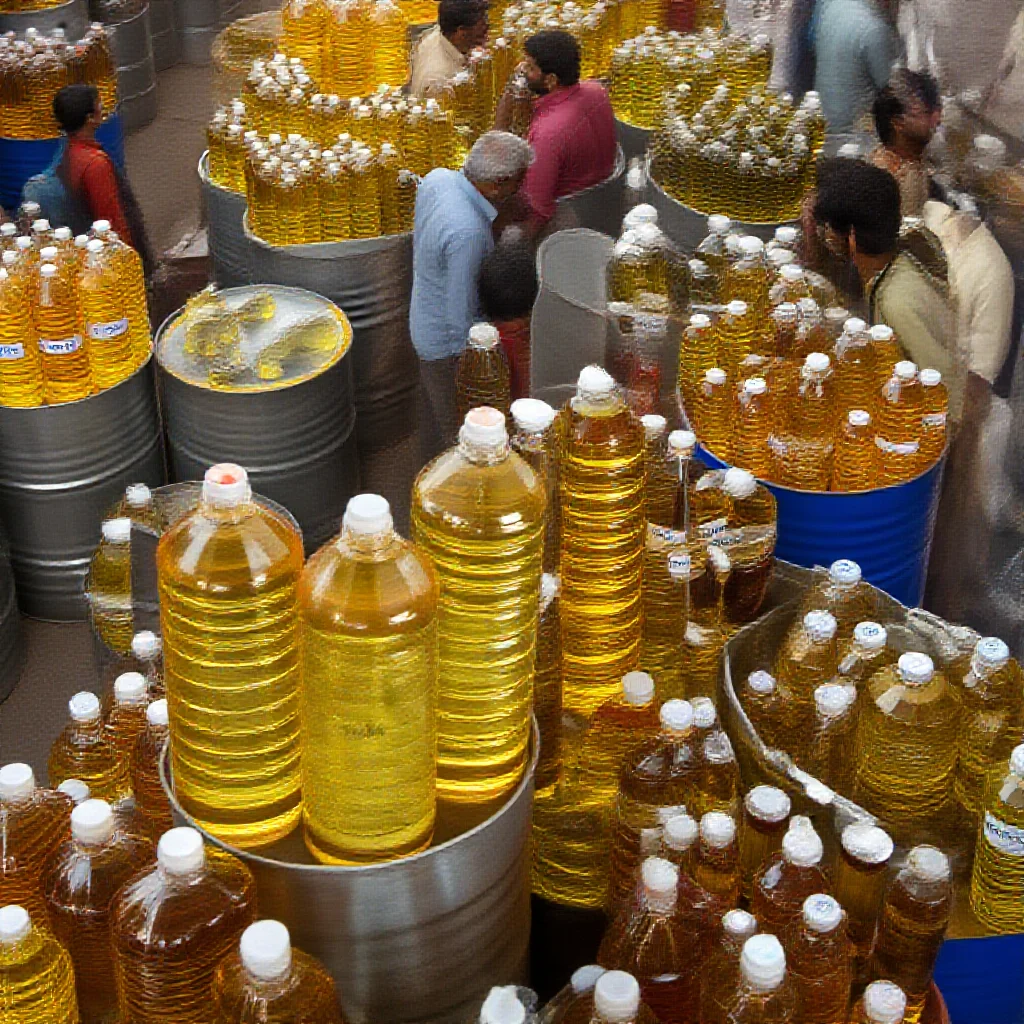
India's Palm Oil Retreat: Price Shocks, Inventory Glut, and a Shifting Import Basket
India's palm oil imports contracted sharply in March 2024, declining 19% from the previous month to 682,000 metric tons, the lowest volume since December 2023. (Source 1: [Primary Data]) The data, released by the Solvent Extractors' Association of India (SEA), reveals a market responding decisively to twin pressures of unfavorable pricing and bloated domestic stocks. This monthly decline is part of a broader, sustained trend, with palm oil imports for the first half of the 2023/24 marketing year (November-April) down 8% year-on-year to 4.4 million metric tons. (Source 1: [Primary Data]) More significant than the headline drop, however, is a concurrent strategic reshuffle within India's vegetable oil import basket, signaling a new phase of buyer agility that could recalibrate global trade flows.
The March Dip: More Than a Seasonal Blip
The March import figure of 682,000 tons represents a clear inflection point. While monthly fluctuations are common, the magnitude of this drop underscores a calculated market correction. Total vegetable oil imports for the month stood at 1.15 million metric tons, with palm oil's share at 59%. (Source 1: [Primary Data]) This monthly event is not an isolated anomaly but the culmination of two converging factors: a deterioration in palm oil's traditional price advantage and a deliberate slowdown to manage excessive inventory levels built up from aggressive purchasing in prior months. The 8% half-year decline confirms a persistent, rather than transient, downward adjustment in procurement velocity.
Decoding the Drivers: Price Signals and Inventory Calculus
The primary mechanism behind the import slowdown is a shift in relative pricing. India, as the world's largest importer of vegetable oils, is highly sensitive to the price differential between palm oil and soft oils like soyoil and sunflower oil. Historically, palm oil's significant discount has driven its dominance. In early 2024, rising international palm oil prices, influenced by seasonal production trends and biofuel demand, eroded this critical discount. When the cost gap narrows, Indian refiners and traders pivot toward soft oils, which offer logistical and refining advantages at a relatively smaller premium.
Simultaneously, an inventory overhang necessitated a pullback. The industry entered March with high port and pipeline stocks, a result of sustained high-volume imports in the preceding quarter. This created a classic market correction scenario: with storage capacities straining and domestic offtake unable to match the influx, a deliberate import slowdown became the rational mechanism to allow the system to clear existing stocks. This inventory calculus is a standard risk-management practice in bulk commodity trading, indicating a mature response to supply chain congestion.
The Quiet Reshuffle: India's Vegetable Oil Basket in Transition
The most telling data point lies not in palm oil's decline, but in the performance of its substitutes. While palm oil imports fell, soyoil imports in March rose 17% to 280,000 metric tons. (Source 1: [Primary Data]) Conversely, sunflower oil imports fell 23% to 188,000 tons. (Source 1: [Primary Data]) This divergence illustrates a strategic, cost-driven optimization of the import mix in real time.
This behavior marks an evolution in India's procurement strategy. The market is demonstrating increased sophistication, moving beyond a monolithic dependence on palm oil based solely on habit or historical ties. Buyers are actively rebalancing their portfolios based on dynamic cost-benefit analysis. The long-term implication is a grant of greater negotiating leverage and supply chain resilience to India. For palm oil-exporting nations, primarily Indonesia and Malaysia, it introduces intensified competition, forcing them to defend market share not just on volume but on consistent price competitiveness relative to South American soyoil and Black Sea sunflower oil.
Beyond the Headline: Ripple Effects and Future Trajectory
India's import recalibration sends immediate signals to global markets. A sustained pullback from India, even if temporary, applies downward pressure on benchmark palm oil futures, as exporters compete to clear cargoes. This can alter the terms of trade for major producers. Domestically, the high inventory levels provide a buffer against sudden global price spikes, contributing to short-term price stability for Indian consumers.
The future trajectory hinges on the restoration of palm oil's price discount. Current market behavior indicates that unless a significant discount to soft oils re-emerges, India's import mix will remain diversified. This trend reinforces the growing influence of soyoil within India's edible oil complex. Furthermore, it highlights the increasing integration of global vegetable oil markets, where price movements in one segment—be it soybean futures in Chicago, sunflower oil logistics in the Black Sea, or biodiesel policy in Southeast Asia—trigger swift compositional changes in the world's largest import basket. The era of predictable, linear growth in palm oil imports to India is giving way to a period of strategic volatility and substitution-driven demand.