Beyond the 2-3% Dip: Decoding FIEO''s FY26 Export Forecast and India''s Strategic
The Federation of Indian Export Organisations (FIEO) projects a 2-3% decline
Beyond the 2-3% Dip: Decoding FIEO's FY26 Export Forecast and India's Strategic Trade Crossroads
The Headline Number: Unpacking FIEO's Cautious FY26 Forecast
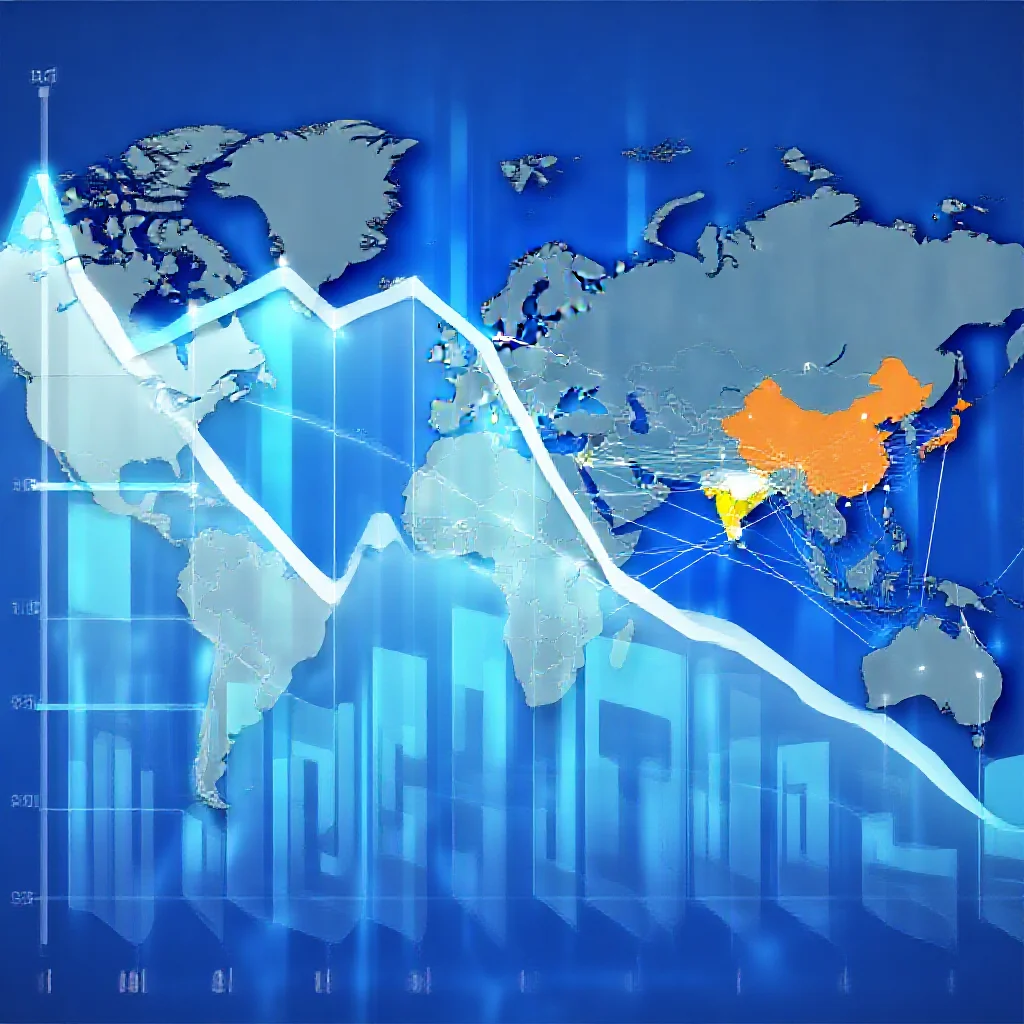
The Federation of Indian Export Organisations (FIEO) projects a 2-3% decline in India's goods exports for the 2025-26 fiscal year (FY26). FIEO President Ashwani Kumar attributed this forecast to the current global trade situation and an analysis of order books (Source 1: [Primary Data]). This projection establishes a specific, ground-level perspective from the export community, distinct from official government targets or broader macroeconomic growth forecasts. It frames the immediate outlook within a global environment characterized by subdued demand, persistent inflationary pressures in key Western markets, and ongoing geopolitical friction disrupting established trade flows. The figure serves as a quantitative anchor for assessing near-term headwinds facing the physical goods export sector.
The Diagnostic Lens: What 'Order Books' Reveal About Global Economic Health
The FIEO's reliance on "order books" shifts the analysis from a lagging to a leading indicator. Order books represent future demand, and their current state offers a diagnostic tool for global economic health. Weak or shortening order books signal pronounced caution among global buyers. This trend is linked to macro-level inventory management strategies, where retailers and manufacturers, having faced supply chain shocks, now prioritize leaner stockpiles. Furthermore, it reflects the downstream impact of sustained higher interest rates in developed economies, which dampen consumer spending on discretionary goods. The order book data, therefore, transcends a simple measure of demand; it reveals a recalibration of global supply chain psychology from just-in-time to just-in-case, with direct implications for export-dependent economies.
The Strategic Inflection Point: Is This a Cyclical Dip or a Structural Warning?
The 2-3% forecast is analytically significant less for its annual figure and more as a signal for strategic reassessment. It raises a critical question: is this a routine cyclical downturn or a symptom of deeper structural shifts in global trade? The forecast exposes systemic vulnerabilities, including an over-reliance on traditional Western markets and on commodity or bulk-manufactured goods where competition on price is intense. In a world where trade patterns are fragmenting into regional blocs and friend-shoring initiatives, a passive participation in generic global value chains becomes a position of risk. The projected dip underscores the imperative for Indian exporters to transition from being opportunistic suppliers to architects of resilient, demand-specific export corridors, focusing on value addition, niche markets, and digital integration.
Beyond the Headline: Long-Term Implications for Supply Chains and Policy
This forecast exerts pressure on broader strategic frameworks, notably the 'China Plus One' supply chain diversification strategy. India's positioning within this trend is not automatically assured; the forecast indicates that capturing diverted demand requires more than available capacity—it requires competitive reliability, quality, and integrated logistics. Consequently, the analysis points to several long-term implications. First, there is an amplified need for deeper, comprehensive trade agreements (e.g., with the United Kingdom, the European Union) to secure predictable market access and tariff advantages. Second, domestic policy must evolve to incentivize not just production-linked output, but also market-specific innovation, branding, and compliance with emerging non-tariff standards (e.g., CBAM, ESG mandates). The focus must expand from export volume to export value and resilience.
Verification and Context: Sourcing and Market Predictions
The core forecast originates from the FIEO, a primary stakeholder association representing a significant portion of India's export community. Its assessment is based on proprietary insights from member order books, providing a real-time, demand-side perspective not fully captured in historical trade data. When contextualized against forecasts from multilateral agencies like the WTO, which have also pointed to subdued global trade growth, the FIEO's projection aligns with a cautious international consensus. Neutral market analysis suggests that the response to this forecast will likely accelerate two parallel trends: a short-term tactical shift by exporters towards cost optimization and exploring newer, smaller markets, and a long-term strategic push for greater integration through free trade agreements and investment in supply chain digitization to enhance visibility and competitiveness.