From Waste to Wealth: How Radify''s Plasma Reactor Could Reshape the Global
Radify's transition of its plasma reactor technology from pilot to production
From Waste to Wealth: How Radify's Plasma Reactor Could Reshape the Global Rare Earth Supply Chain
Beyond the Pilot: The Strategic Pivot to Production
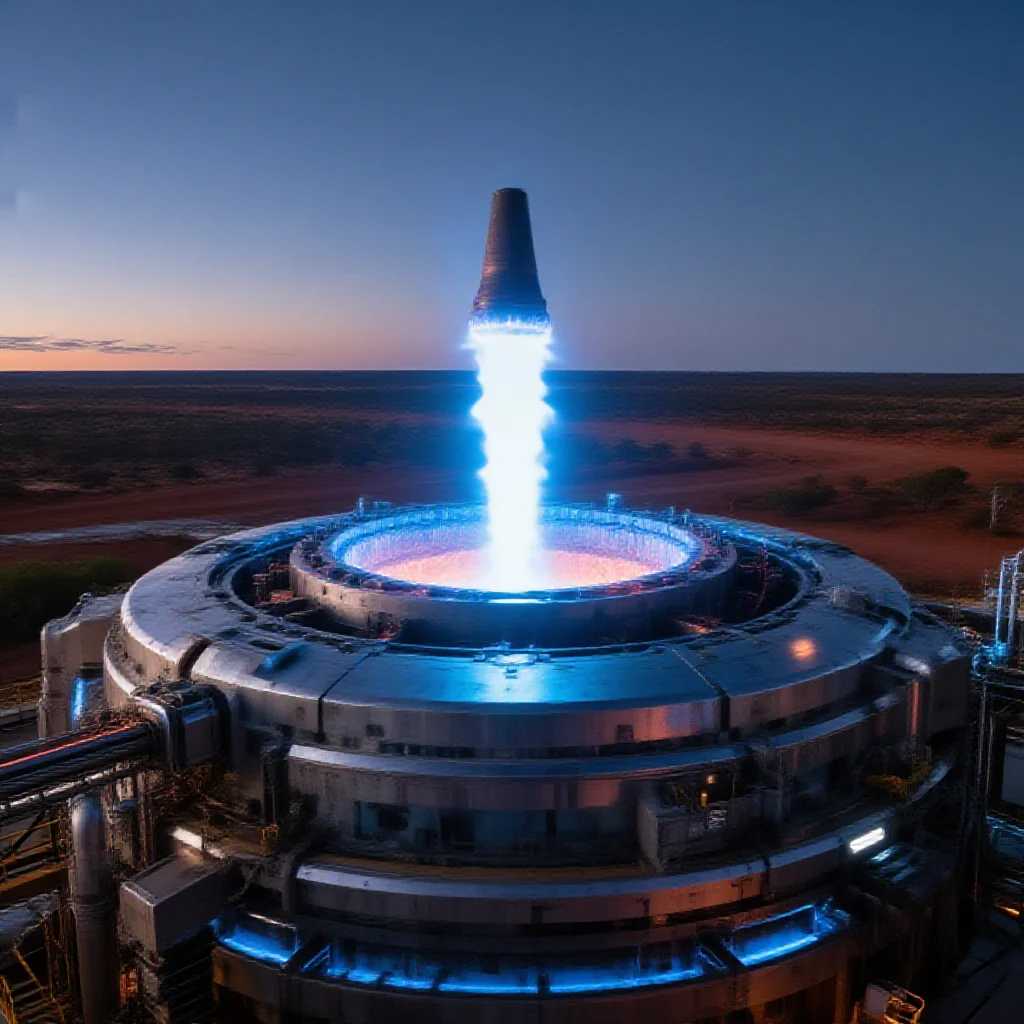
Radify's plasma reactor technology has transitioned from a pilot project to the construction of a production-scale facility. This move represents a critical juncture for a novel extraction method targeting rare earth elements (REEs). The operational shift is scheduled for 2026 (Source 1: [Timeline Data]). The location of the production facility in Western Australia is a strategic decision, placing the technology in proximity to vast stockpiles of mineral tailings from the region's extensive mining history. This geographical alignment supports broader allied initiatives aimed at establishing secure, diversified critical mineral supply chains independent of dominant single sources.
The progression from pilot to production inherently involves scaling technological and economic risk. Pilot phases validate core scientific principles, but production facilities must demonstrate consistent operational reliability, cost efficiency, and the ability to integrate into existing industrial logistics. The Western Australian project serves as the primary commercial-scale test for plasma-based REE extraction from waste streams.
The Plasma Torch: Disrupting the Chemistry of Extraction
The core of Radify's technology is a plasma torch capable of processing material at temperatures exceeding 5,000 degrees Celsius (Source 2: [Factual Data]). This extreme thermal energy is deployed to break down refractory mineral matrices in mining tailings—materials that conventional chemical leaching or physical separation methods often cannot economically process. The intense heat dissociates chemical bonds in silicates and phosphates, liberating trapped rare earth ions.
The process is specifically engineered to recover neodymium, praseodymium, dysprosium, and terbium (Source 3: [Factual Data]). These elements, particularly neodymium and dysprosium, are essential for manufacturing high-performance permanent magnets used in electric vehicle motors and direct-drive wind turbines. The targeted focus on these "magnet metals" defines the project's primary economic driver, rather than a broad recovery of all rare earths. Demand for these specific elements is projected to grow significantly with the global transition to renewable energy and electrified transport.
The Hidden Economic Logic: Turning Liability into an Asset
The technology redefines the economic model for mining waste. Mineral tailings, traditionally viewed as an environmental liability requiring management and remediation, are reframed as a strategic domestic resource. By reprocessing existing waste, the need for new, capital-intensive primary mining operations can be partially offset, potentially reducing associated land disturbance and initial processing emissions.
A successful production facility could impact the import reliance of nations lacking primary rare earth deposits but with advanced manufacturing sectors. By creating a new stream of refined magnet metals from domestic or allied waste stocks, supply chains can be shortened. The long-term commercial strategy for such technology may extend beyond operating proprietary facilities. A viable model could involve licensing the plasma reactor system to mining companies globally, creating a new service industry focused on tailings monetization and environmental legacy reduction.
Supply Chain Implications: A Challenge to the Status Quo?
The development introduces a potential mechanism to de-risk and geographically diversify the rare earth supply chain. If scaled effectively, it could enable "mine-to-magnet" production pathways within allied economic blocs, such as processing Australian tailings into oxides for magnet manufacturing in the United States or the European Union. This aligns with policy objectives outlined in national strategies, such as Australia's Critical Minerals Strategy, which emphasizes onshore processing and international partnership with like-minded nations.
The environmental calculus of the process involves a significant trade-off. Plasma torch operation is highly energy-intensive, contributing to the operational carbon footprint. This must be weighed against the avoided environmental impacts of new greenfield mining, which includes habitat loss, water usage, and the chemical-intensive solvent extraction processes traditionally used in rare earth refineries. The net environmental benefit is contingent on the power source for the reactor and the scale of primary mining displacement.
Market analysis suggests that while a single facility is unlikely to immediately challenge the volume output of established global processing hubs, it establishes a new, sustainable production template. Its success could catalyze further investment in alternative extraction technologies and incentivize the re-evaluation of tailings resources worldwide. The ultimate industry impact will depend on the demonstrated cost per kilogram of produced oxide, the technology's scalability, and its adoption rate by the mining sector seeking to valorize legacy waste sites.