Beyond the $599 Price Tag: How Apple''s MacBook Neo Forced Microsoft''s Windows
On April 9, 2026, Apple's announcement of the $599 MacBook Neo sent immediate
Beyond the $599 Price Tag: How Apple's MacBook Neo Forced Microsoft's Windows Strategy Pivot
Date: April 10, 2026
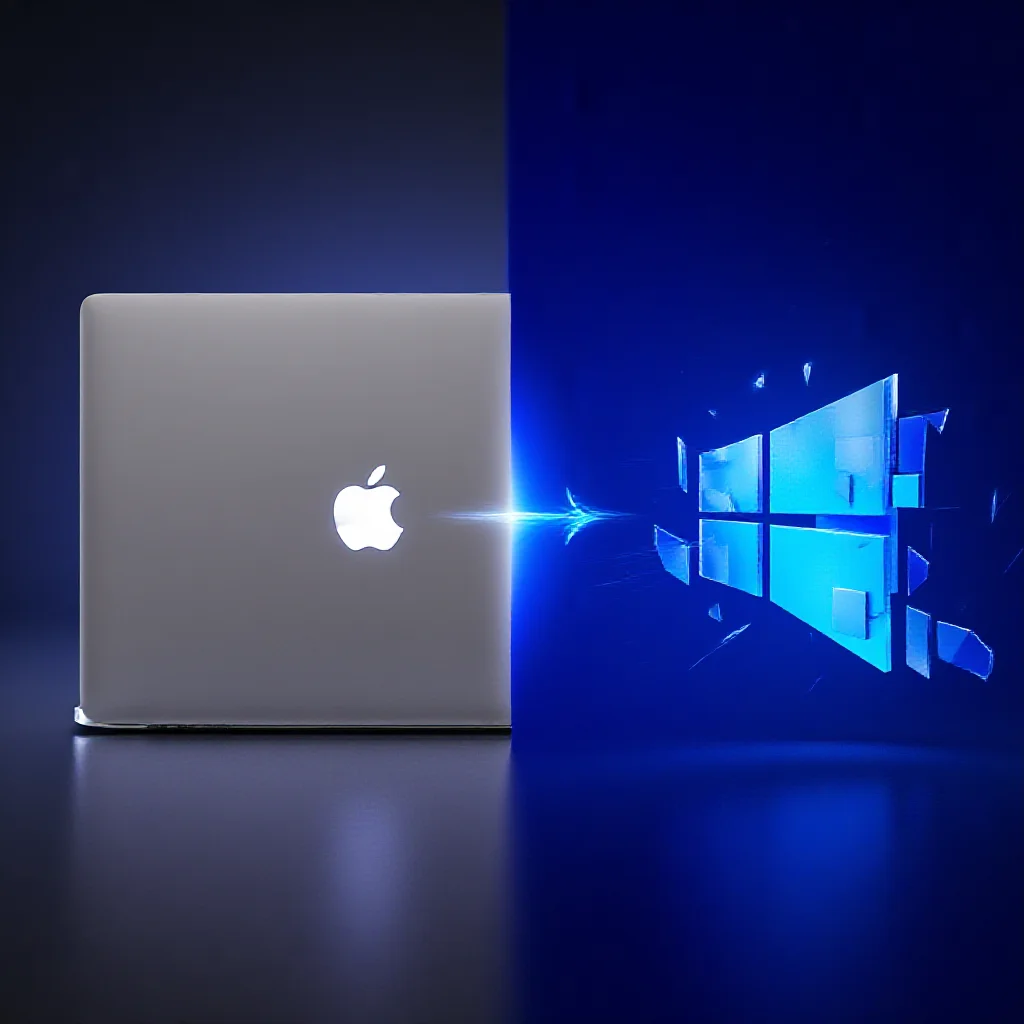
On April 9, 2026, the technology industry witnessed a rare event of immediate strategic realignment. Apple Inc. announced the MacBook Neo, a laptop with a starting price of $599 (Source 1: [Primary Data]). Within hours, Microsoft Corporation issued a statement indicating a significant evolution in its Windows operating system roadmap. This synchronous action was not coincidental but a direct causal chain. The event signifies a pivotal moment in personal computing, moving beyond a simple price adjustment to a fundamental challenge to established market dynamics.
The April 9th Shockwave: Decoding the Simultaneous Announcements
The announcement of a MacBook at a $599 price point represents a profound strategic incursion. Historically, Apple ceded the ultra-budget laptop segment to Windows-based original equipment manufacturers (OEMs) and Chromebooks. The MacBook Neo’s entry into this territory is a deliberate market expansion tactic, not merely a new product SKU.
Microsoft’s same-day strategic response is the critical indicator of the threat’s magnitude. For a corporation of Microsoft’s scale to publicly pivot its core product strategy within a single business day demonstrates a perceived high-level risk to its market position. This reactive posture, rather than a proactive unveiling, immediately reframed the competitive landscape. Initial analyst reactions focused on the potential for a price war, but the deeper implication is a war for the foundational user base that sustains platform ecosystems.
The Core Axis: Apple's Calculus on Market Saturation and Ecosystem Lock-in
The economic logic of the MacBook Neo extends beyond its bill of materials. Analysis suggests a calculated loss-leader hardware model designed for accelerated user acquisition. The strategic objective is to funnel users into Apple’s higher-margin services ecosystem, including iCloud, Apple One, and Apple Arcade. The lifetime value of a user enrolled in these services can far outweigh any reduced hardware margin.
This move directly erodes the "Windows moat"—the vast, volume-driven base of entry-level and mid-range PCs that guarantees Windows’ market share and developer relevance. By offering a competitively priced device with macOS, Apple attacks the volume segment that has traditionally been a safe harbor for Windows OEMs. The long-term play is clear: shift the battleground from competing on hardware specifications alone to competing on seamless integration, user experience, and ecosystem cohesion, domains where Apple holds a distinct architectural advantage.
Microsoft's Forced Hand: The Strategic Dilemma of a Windows Pivot
Historical precedent indicates Microsoft’s capacity for strategic adaptation under platform pressure, as seen in its responses to the rise of Chromebooks in education and the iPad in mobile computing. The April 9th statement forces an examination of several potential pivot vectors for Windows.
One scenario is an accelerated push toward a cloud-centric Windows experience, reducing dependency on local hardware performance and potentially lowering entry costs. Another is a renewed and more aggressive investment in the ARM architecture through partnerships with firms like Qualcomm, aiming to deliver the battery life and connectivity advantages necessary for budget-conscious segments. A third, more disruptive possibility involves Microsoft exploring a subsidized hardware model for Windows, directly challenging Apple’s move but risking severe friction with its OEM partners. These manufacturers, who rely on the $599 segment for volume, now face competition from both Apple and potentially their own platform provider.
Deep Audit: Ripple Effects on the Global PC Supply Chain and Economics
The MacBook Neo’s price point exerts immediate pressure on the global PC supply chain. Apple’s procurement volumes allow for component pricing that may be unsustainable for smaller OEMs. This dynamic could force consolidation among component suppliers and increase cost pressures on competing laptop manufacturers.
The economic model of the entire PC industry is called into question. If the trend toward commoditization of base-level hardware accelerates, profitability will increasingly depend on software, services, and post-sale monetization. This structural shift favors integrated players like Apple and challenges the traditional disaggregated Windows model. For consumers, the near-term prospect is increased choice and value. For the industry, it necessitates a reevaluation of where value is created and captured in the personal computing stack.
Neutral Projections: The Reshaped Competitive Landscape
The events of April 9, 2026, have irrevocably altered the trajectory of the PC market. Several neutral projections can be deduced.
First, the entry-level and education laptop segments will see intensified competition, with innovation focusing on total cost of ownership and ecosystem benefits rather than peak performance. Second, Microsoft’s relationship with its OEM partners will enter a period of renegotiation, balancing the need for a unified response to Apple with the individual competitive interests of hardware makers. Third, the focus on platform integration will intensify, potentially benefiting users through improved software-hardware optimization across all price points.
The ultimate outcome is not a foregone conclusion. Microsoft’s vast enterprise installed base and cloud infrastructure provide formidable defensive positions. However, Apple’s move with the MacBook Neo has successfully forced the competition onto a partially new battlefield, one defined by accessibility, ecosystem synergy, and long-term user value over upfront hardware cost. The strategic game between these titans has entered a new, more volatile phase.