The Synthetic Economy: How AI Podcasters & Influencers Are Monetizing Digital
The monetization of AI-generated synthetic podcasters and influencers marks
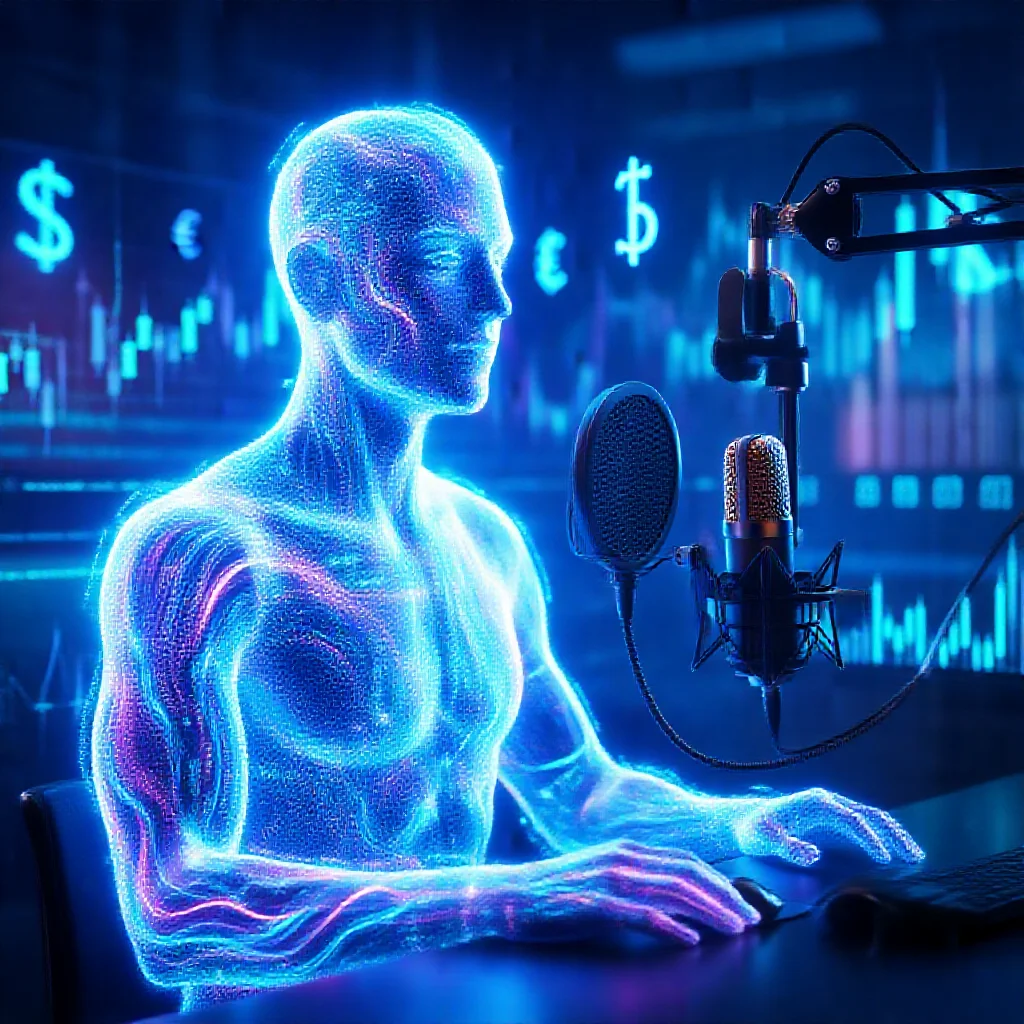
The Synthetic Economy: How AI Podcasters & Influencers Are Monetizing Digital Personas
Introduction: The Rise of the Non-Human Creator
The monetization of AI-generated synthetic podcasters and influencers is no longer speculative. It is an operational market segment. These digital entities, possessing no biological form or legal personhood, are securing advertising contracts and sponsorship deals, generating measurable revenue. This marks a fundamental evolution within the creator economy: the birth of a "synthetic labor" market. The core thesis of this analysis is that this development represents a disruptive economic model with parallel ethical implications, shifting content creation from a human-centric activity to a hybridized, automated industrial process.Deconstructing the Revenue Engine: Advertising's New Frontier
The economic logic driving brand investment in synthetic entities is distinct from traditional influencer marketing. Analysis indicates a tripartite value proposition: risk mitigation, absolute control, and operational perpetuity. Synthetic personas eliminate risks associated with human behavior, such as public controversy, contractual non-compliance, or aging out of a demographic. Brands achieve full control over messaging, appearance, and brand alignment without negotiation. Furthermore, these assets operate continuously, capable of generating content and engaging across time zones without interruption.Financial evidence supports this trend. Reports from influencer marketing analysts indicate a measurable allocation of brand budgets toward digital and virtual influencers, driven by these calculable advantages (Source 1: Influencer Marketing Hub, "The State of Influencer Marketing 2023"). The return on investment is framed not merely in engagement metrics but in total cost of ownership and brand safety assurance.
Tool Democratization: How Accessibility Fuels the Synthetic Gold Rush
The scalability of this market is directly tied to the commoditization of its underlying technology. The technology stack has evolved from proprietary, capital-intensive research and development projects to accessible software-as-a-service (SaaS) platforms. This shift transforms synthetic media creation from a fixed capital expense to a variable operational cost. The consequence is the activation of a long-tail market, where individual creators and small studios can now produce competitive synthetic content.This democratization has a secondary, more profound impact. It enables existing media companies, marketing agencies, and corporations to develop low-cost, scalable synthetic "spokesperson" assets. This operational model directly intersects with and potentially displaces segments of the traditional labor market for voice-over artists, video presenters, and on-camera talent, reframing human roles toward oversight and creative direction rather than performance.
The Authenticity Crisis: Disclosure as the Coming Regulatory Battleground
The proliferation of monetized synthetic media precipitates a systemic crisis of authenticity that extends beyond philosophical debate. The immediate issue is a deficit of consistent and conspicuous disclosure. Current market practices vary widely, creating an environment ripe for consumer deception regarding the nature of the entity with which they are engaging.The long-term implication, however, is more corrosive: the erosion of the trust supply chain. Media provenance—the verifiable origin and history of content—becomes obscured. As synthetic and organic content become indistinguishable at point-of-consumption, the data pools used for fact-checking and algorithmic content moderation are poisoned. This degradation of foundational trust challenges the operational legitimacy of social platforms, journalism, and any public discourse reliant on authenticated human communication. Regulatory frameworks are nascent, but the logical trajectory points toward mandatory disclosure standards becoming a primary battleground for consumer protection and media integrity agencies.