Navigating the South Asia Economy: Strategic Imperatives for 2026 Growth
An analysis of the key drivers, challenges, and strategic directions shaping the South Asia economy, focusing on infrastructure, technology, and regional integration.
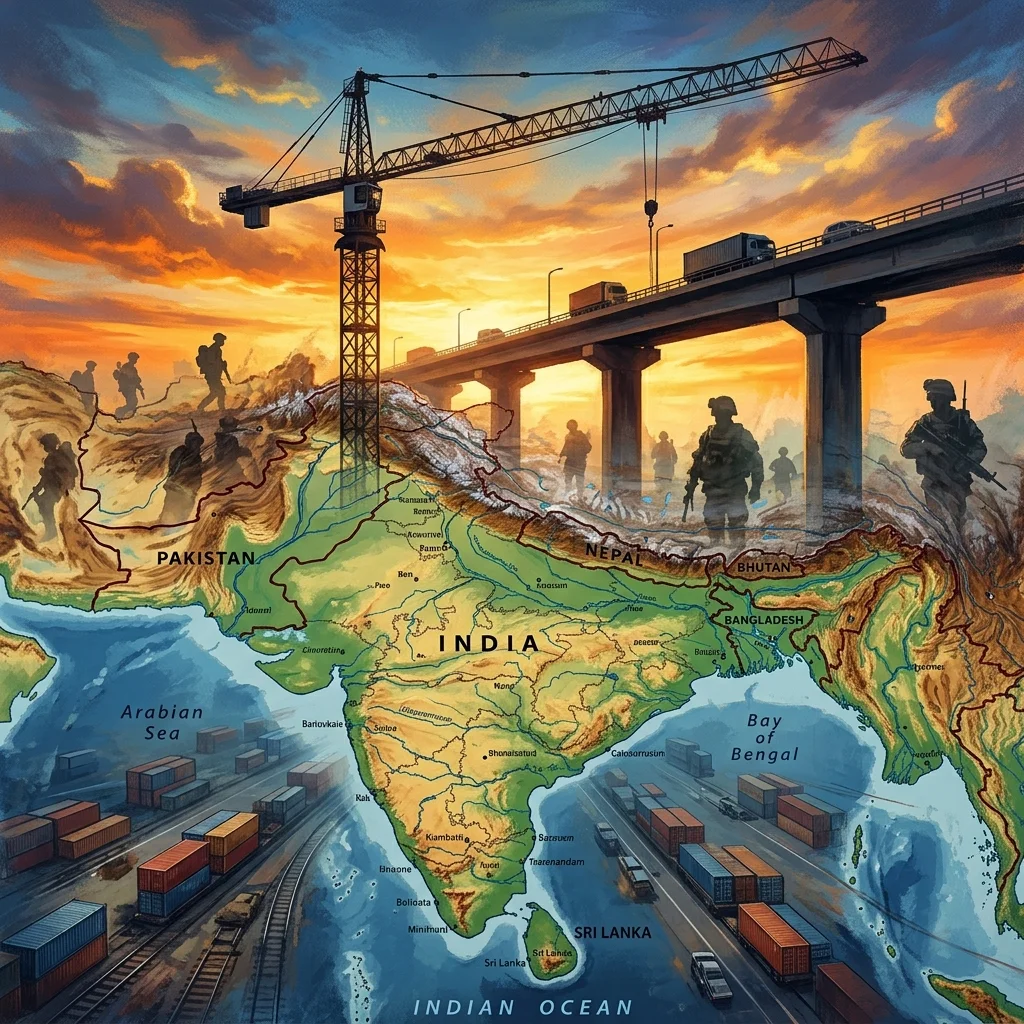
The South Asia Economy is at a critical juncture, shaped by a confluence of internal structural reforms and external geopolitical forces. Strategic analysis reveals that sustained economic development hinges not just on aggregate growth figures, but on the resilience built within key sectors and the effectiveness of policy implementation.
Economic Development and Structural Shifts
Macroeconomic trends in the region are characterized by varied growth trajectories across different nations, driven by demographic dividend potential juxtaposed against persistent challenges related to inflation and employment levels. The focus must shift from consumption-led growth to structural transformation, demanding targeted industrial development policies that foster economic diversification away from traditional sectors.
Business Strategy and Investment Landscape
For South Asia Business, success is increasingly defined by adaptive corporate strategy and the ability to navigate complex regulatory environments. Foreign Direct Investment (FDI) continues to play a significant role, attracting capital toward sectors ripe for technological adoption, particularly in digital services and manufacturing. The private sector's development is crucial, requiring robust frameworks for corporate governance and SME support to build a resilient business ecosystem capable of weathering economic volatility.
Technology and Digital Economy
The rapid adoption of technology, especially Artificial Intelligence and the Digital Economy, presents both significant opportunities and regulatory hurdles. Investment in digital infrastructure, including data centers and enterprise technology, is becoming a non-negotiable component of modern industrial competitiveness. The successful integration of FinTech solutions is reshaping financial inclusion, allowing for greater access to capital and services, which is vital for grassroots enterprise development.
Infrastructure as an Economic Catalyst
Infrastructure investment remains a paramount determinant of long-term economic growth. Improvements in transportation networks—including energy infrastructure, digital infrastructure, and physical connectivity—are essential for enhancing supply chain efficiency and reducing the cost of doing business. Public-private partnerships are key mechanisms for mobilizing the necessary capital for large-scale projects, thereby unlocking economic corridors and enhancing regional connectivity.
Regional Cooperation and Trade
Regional integration, facilitated through bodies like SAARC and BIMSTEC, remains a central theme. Enhancing cross-border trade requires concerted efforts in trade facilitation, logistics, and regulatory harmonization to build more robust supply chains. The potential for cross-border commerce is substantial, contingent on overcoming existing logistical bottlenecks and fostering an environment conducive to sustained regional cooperation.
Sustainability and Energy Transition
Addressing environmental concerns through a sustainable energy transition is a growing policy imperative. Investments in renewable energy sources like solar and wind power are not only critical for energy security but also align with global sustainability goals, influencing capital allocation toward green infrastructure and circular economy models. Policy mechanisms aimed at carbon reduction will dictate the pace of this necessary shift.
Policy Implications and Future Outlook
Policy priorities must center on creating an enabling environment for innovation, streamlining regulatory processes for technology adoption, and ensuring equitable distribution of economic benefits. The long-term outlook suggests that South Asia's global competitiveness will be determined by its capacity to effectively manage technological disruption, secure critical infrastructure, and deepen cooperative economic linkages. The next few years will likely see intensified focus on supply chain localization and the maturation of regional digital ecosystems.