India''s March 2024 Inflation Uptick: A Deeper Look Beyond the Food Price
India's retail inflation edged up to 3.4% in March 2024 from 3.2% in February,
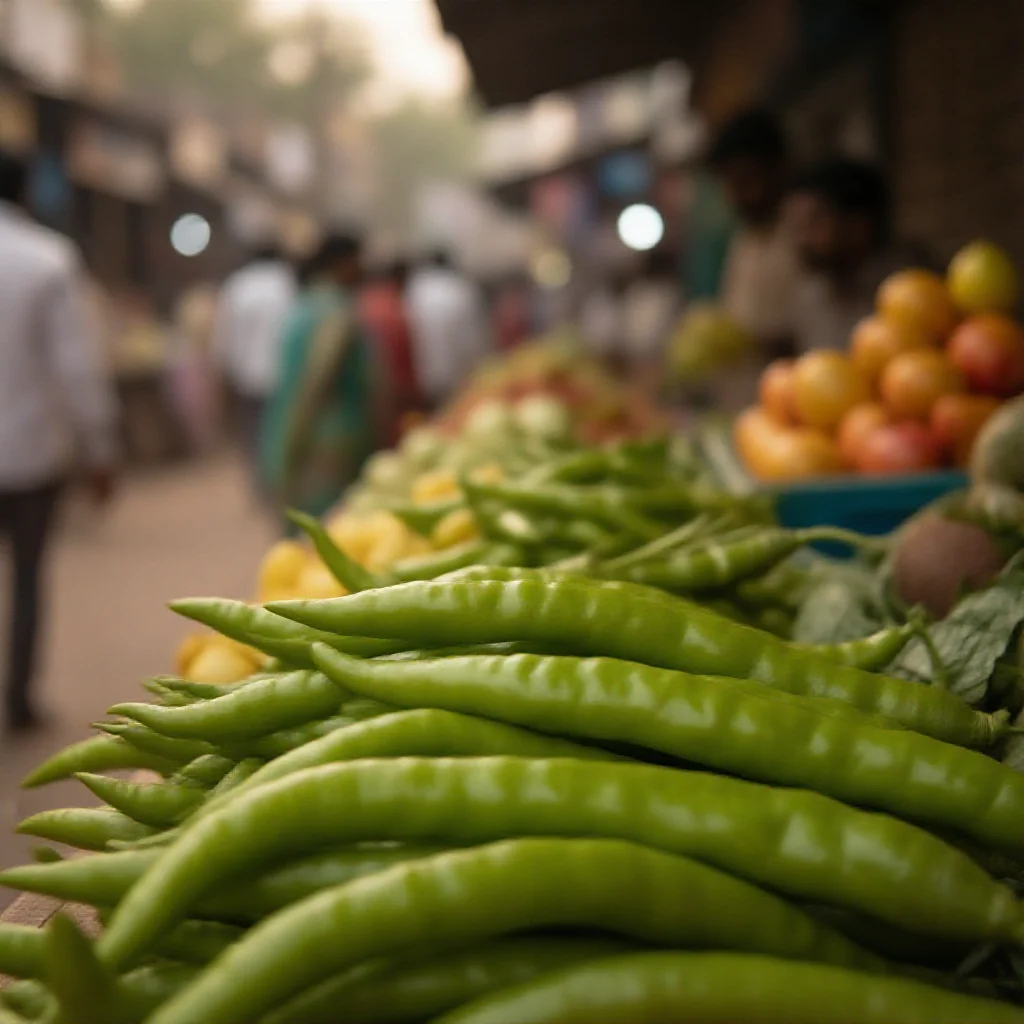
India's March 2024 Inflation Uptick: A Deeper Look Beyond the Food Price Headline
The Surface Data: A Gentle Uptick in Headline Inflation
India's retail inflation, measured by the Consumer Price Index (CPI), registered a marginal increase to 3.4% in March 2024 from 3.2% in the previous month (Source 1: [Primary Data]). This figure remains comfortably within the Reserve Bank of India's (RBI) mandated tolerance band of 2-6%. The official statistical narrative attributes this uptick primarily to rising food prices, a common and volatile component of the inflation basket. The movement from 3.2% to 3.4% represents a minor fluctuation in the near-term disinflationary trend observed over preceding quarters. The immediate analytical task is to determine whether this increment signifies a meaningful inflection point or constitutes a statistical deviation within a broader stable trajectory.
Deconstructing the Food Basket: Which Items Are Really Biting?
The aggregate label of "food inflation" obscures significant heterogeneity within the sub-components. Historical data patterns indicate that pressure typically emanates from specific categories such as vegetables, cereals, and protein sources like pulses and meat. A granular assessment is required to identify which of these segments exerted disproportionate influence in March. The causes for spikes in specific items can be distinct: vegetable inflation is frequently linked to unseasonal weather events disrupting harvest cycles and local supply chains, while cereal price movements may reflect broader procurement policies, inventory levels, and global price pass-through. The critical analytical distinction lies in classifying these increases as transitory, driven by short-term supply shocks, or persistent, indicating deeper demand-supply imbalances. The post-festive season period often sees a recalibration of consumption and supply, which can introduce temporary volatility into price data.
The Hidden Logic: Supply Chain Lag and Weather Anomalies
A deeper examination suggests that March's retail inflation print may not solely reflect contemporaneous conditions but rather the lagged effects of decisions and events from prior months. Agricultural supply chains operate with inherent inertia; planting decisions, input cost changes, and logistical adjustments made in late 2023 or early 2024 manifest in market prices with a delay. Therefore, the March CPI data could be partially decoding supply chain adjustments initiated earlier. Furthermore, weather anomalies in February and March 2024, such as unseasonal rainfall or temperature variations, likely impacted yields for key horticultural crops and complicated harvest logistics, a factor whose full impact is often underreported in immediate headline analysis. Another layer of verification involves examining the Wholesale Price Index (WPI). A preceding rise in wholesale food prices would logically feed into retail costs with a temporal lag, providing a predictive signal for CPI trends. The absence or presence of such a signal in prior WPI data is crucial for understanding the genesis of the current CPI movement.
Policy Crossroads: Comfort for the RBI or a Cautionary Signal?
The monetary policy implication of this data hinges on its persistence and breadth. The RBI's recent policy statements and minutes have consistently flagged food price volatility as a key risk to the disinflationary path, indicating a pre-existing institutional awareness of this vulnerability (Source 2: [Policy Documents]). A more definitive metric is the trend in core inflation, which excludes volatile food and fuel components. If core inflation remains stable or continues to moderate, it suggests that the March uptick is sector-specific and not indicative of generalized demand-side pressures. Conversely, any firming of core inflation would signal a broadening of price pressures, warranting a more cautious policy stance. The current data, viewed in isolation, supports the rationale for the RBI's extant pause on interest rates. However, it reinforces the need for vigilant monitoring of high-frequency food price data. The policy stance will likely remain data-dependent, with the evolution of the summer crop outlook and global commodity prices forming critical inputs for the next review cycle.
The Road Ahead: Seasonal Normalization or Start of a Trend?
Projecting the trajectory requires assessing forward-looking risks. The impending summer months traditionally apply pressure on perishable food items due to supply constraints and logistical challenges, posing an upside risk to the food inflation component. The progress and distribution of the upcoming monsoon season will be the most significant determinant of food price stability for the latter half of 2024. From a macroeconomic perspective, the sustainability of India's current price stability is contingent on three factors: the normalization of global supply chains, which affects imported input costs; the absence of severe and repeated domestic weather shocks; and the continued efficacy of monetary policy in anchoring inflation expectations. The March 2024 data point, while minor, serves as a reminder that India's inflation control, particularly concerning the food basket, remains a function of managing supply-side vulnerabilities as much as modulating aggregate demand. The consensus market view anticipates inflation to average within the RBI's target range for the fiscal year, albeit with intermittent volatility primarily dictated by the food sector.