India''s 2026 Monsoon Forecast: A Below-Average Outlook and Its Hidden Economic
A forecast predicting below-average monsoon rainfall for India in 2026, potentially
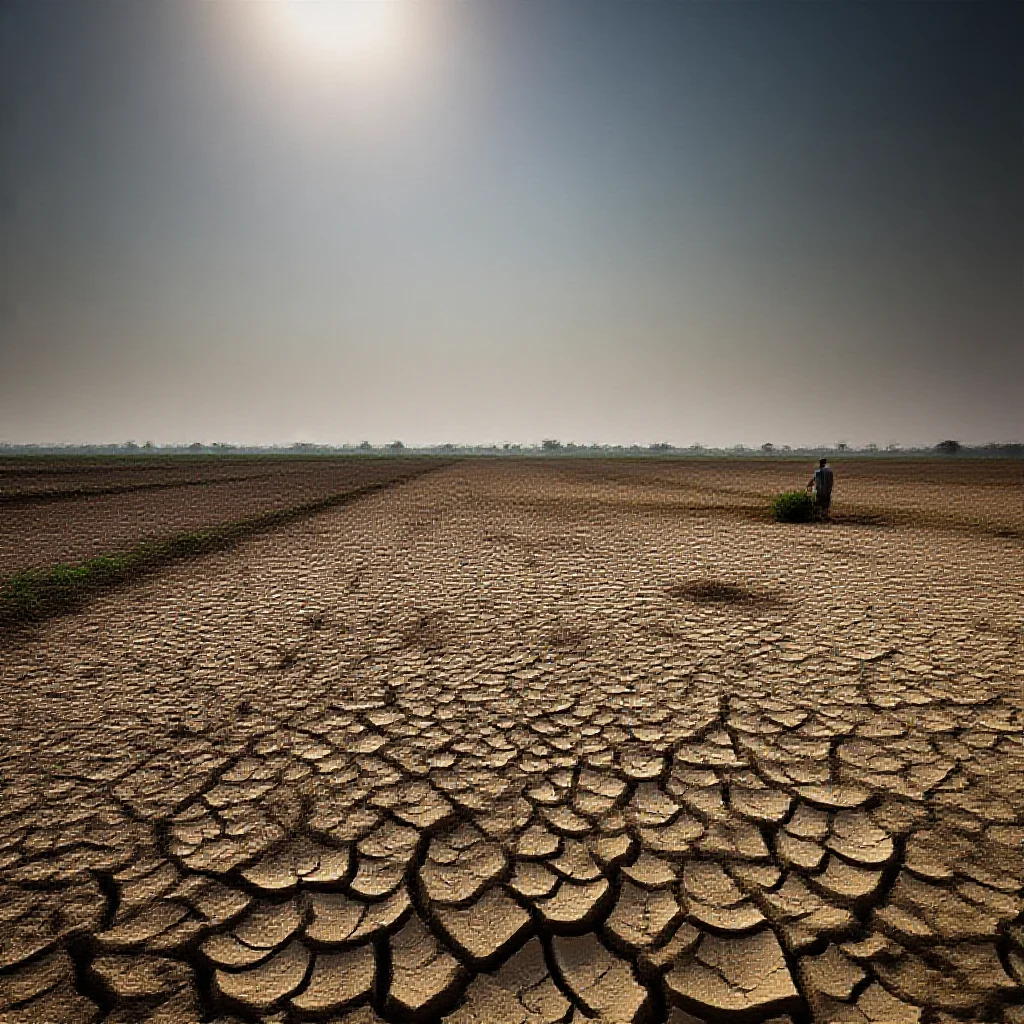
India's 2026 Monsoon Forecast: A Below-Average Outlook and Its Hidden Economic Ripples
The 2026 Forecast: More Than a Weather Blip
A meteorological projection indicates India may experience below-average monsoon rainfall in 2026 (Source 1: [Primary Data]). This prediction, if verified, would represent the first sub-par monsoon season after a three-year streak of normal or above-normal precipitation. The forecast specifies rainfall falling below the long-period average (LPA), a benchmark calculated from historical data spanning several decades (Source 1: [Primary Data]). This baseline is critical, as a national deficit can mask significant regional variability, with some agricultural zones potentially facing more severe shortfalls.
Initial verification of such a long-range forecast requires positioning it within established global climate models. Agencies like the India Meteorological Department (IMD) utilize dynamic and statistical models for seasonal outlooks. The credibility of a 2026 projection hinges on its alignment with evolving model consensus on factors like El Niño-Southern Oscillation (ENSO) phase predictions and Indian Ocean Dipole conditions, which typically form the basis for extended-range forecasts.
!An infographic map of India showing historical monsoon variability zones.
Slow Analysis: Unpacking the Cascading Economic Logic
The immediate economic logic centers on agriculture. A below-average monsoon forecast triggers analysis of crop yield projections for the kharif (summer-sown) season, influencing expected output of water-intensive staples like rice, sugarcane, and pulses. This, in turn, projects forward to shifts in sowing patterns as farmers may opt for less water-dependent crops, altering the demand forecast for correlated inputs such as specific fertilizers and pesticides.
Concurrently, hidden market patterns begin to form. Financial markets engage in preemptive pricing. Commodity futures for sugar, pulses, and edible oils may begin to exhibit volatility or a gradual price incline as traders factor in potential 2026 supply constraints. The agricultural insurance sector represents another early indicator; actuarial models will recalibrate, potentially leading to adjusted premium structures for crop coverage in anticipation of heightened risk.
The forecast also serves as a stress test for long-term infrastructure planning. Water resource management entities must model reservoir recharge scenarios, affecting decisions on irrigation releases and drinking water allocations for the following year. Energy planners, particularly in states reliant on hydropower, must adjust generation forecasts and consider supplementary thermal or renewable sources. Urban centers begin contingency planning for potential water supply shortages.
The Deep Entry Point: Supply Chain Archaeology
The most significant economic implications often lie beyond the harvest season, in the extended supply chain. A forecasted deficit alters procurement timelines and strategies for global Fast-Moving Consumer Goods (FMCG) companies and retail giants with deep supply chains in India. These entities may initiate forward contracts earlier, diversify sourcing geographies, or increase buffer stocks for agricultural raw materials like wheat, cotton, or vegetable oils, actions taken well before the monsoon clouds arrive.
Within the domestic rural economy, the ripple effects are profound. Anticipated stress on farm incomes projects forward to dampened demand for non-essential durable goods, two-wheelers, and gold in agrarian districts. The microfinance sector enters a period of heightened scrutiny, as repayment cycles for loans taken in early 2026 could face strain by late 2026 or early 2027. This preemptive view forces a recalibration of rural credit risk models.
Strategic Responses and Preemptive Narratives
Evidence of adaptation will emerge in policy and corporate corridors. Early signs may include increased budgetary emphasis on watershed management, micro-irrigation subsidies, and advisory campaigns for drought-resistant crop varieties. Corporate strategy may shift toward securing water rights or investing in sustainable agriculture partnerships to de-risk supply chains.
Such forecasts act as an innovation trigger. Venture capital and research funding flows toward climate-resilient seed technologies, precision irrigation systems, and water-efficient alternative protein sources. The economic logic of scarcity accelerates adoption curves for agricultural technology.
Historical precedents, such as the 2014-2015 drought, provide a verification framework. Analysis of those events models potential economic impact zones, including inflation trajectories, fiscal outlays for farmer support, and export restrictions on key commodities. These models inform current contingency planning and resource allocation.
2026 as a Pivot Point for Climate Resilience
A single-year forecast holds disproportionate significance for multi-decadal economic and infrastructure planning. It functions as a scheduled stress test, revealing vulnerabilities in the interconnected system of food, water, and energy security. The response it galvanizes offers a measurable indicator of systemic climate resilience.
The broader analytical picture links the 2026 outlook to patterns of climate volatility. It tests the capacity of economic institutions—from commodity markets to rural banks—to internalize and price long-term environmental risk. The accuracy of the forecast is secondary to its utility as a catalyst for preemptive action. The economic narrative that unfolds between now and 2026 will be defined by the strategic decisions made in anticipation, rather than solely by the quantum of rainfall itself. This forward-looking, risk-based engagement with climatic probability marks a maturation in economic planning for climate-vulnerable regions.