The Cement Industry''s Q4 Paradox: Strong Volume Growth Meets Intensifying
The Indian cement sector is poised for a paradoxical Q4 FY26, with robust
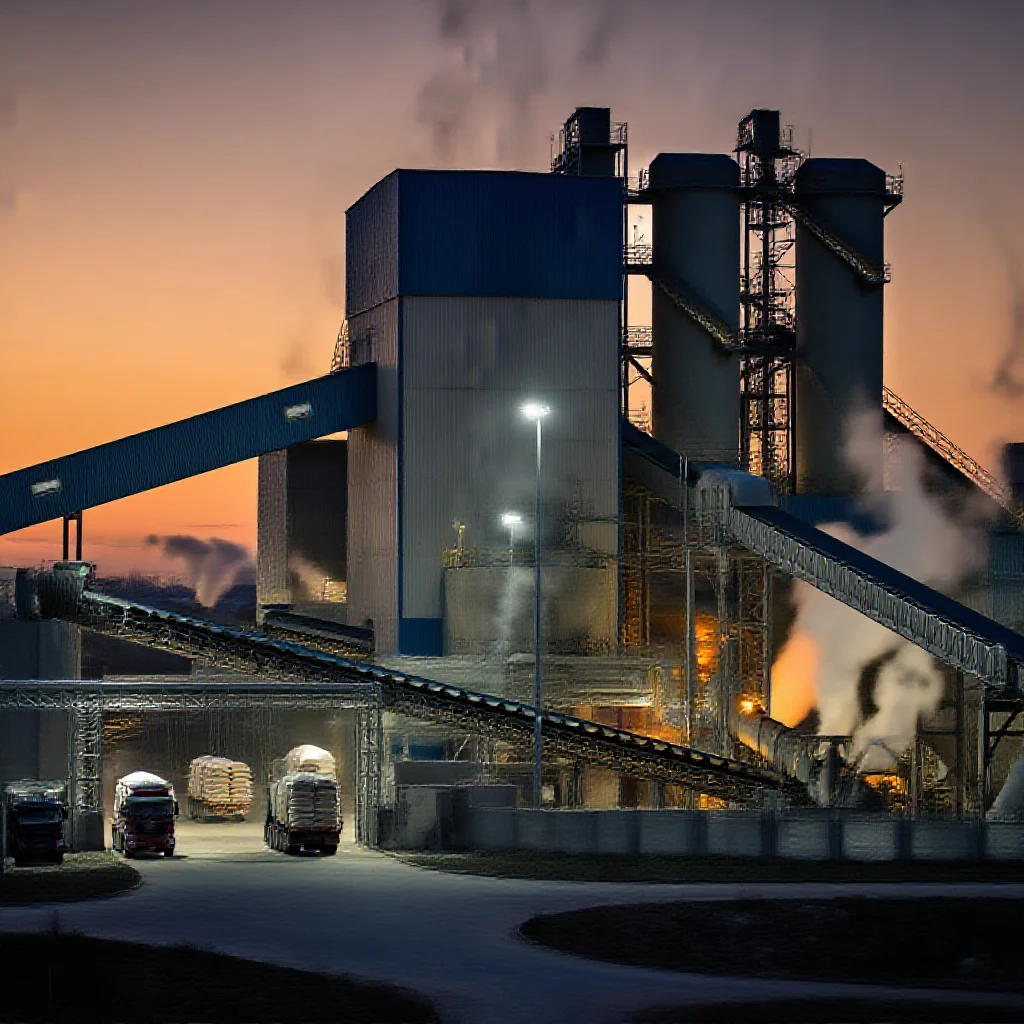
The Cement Industry's Q4 Paradox: Strong Volume Growth Meets Intensifying Cost Squeeze
The Q4 Dichotomy: Volume Boom vs. Margin Crunch
The Indian cement sector is approaching the conclusion of fiscal year 2026 with a pronounced operational paradox. Preliminary analyses for the quarter ending March 2026 (Q4 FY26) project a robust year-on-year volume growth of 10-12% (Source 1: [Industry Analyst Consensus]). This demand surge is primarily driven by sustained government expenditure on infrastructure projects and resilient activity in the housing sector. However, this top-line expansion is fundamentally undermined by concurrent inflationary pressures. The industry's operating profit per tonne is estimated to contract by 5-7% year-on-year (Source 2: [Financial Analyst Estimates]), creating a powerful cost-price squeeze that defines the quarter's financial narrative.
Deconstructing the Cost Squeeze: Beyond Fuel and Freight
The margin compression is not attributable to a single factor but a confluence of structural cost escalations. A primary contributor is the inflation in energy input costs. Petcoke and thermal coal, the dominant fuels for cement kilns, have witnessed significant price volatility and an upward trajectory in both global and domestic markets. This directly elevates the cost of clinker production, the most energy-intensive stage of cement manufacturing.
Parallelly, freight and logistics costs have risen, reflecting broader inflationary trends within the economy. The reliance on road transport for last-mile delivery makes the industry particularly sensitive to diesel price fluctuations. This multi-front cost inflation exposes a critical vulnerability: the sector's heavy dependence on volatile, often imported, energy sources. The current quarter underscores a long-term strategic challenge concerning supply chain resilience and energy sourcing, moving beyond cyclical cost variations.
Strategic Divergence: How Major Players are Positioned
The uniform industry-wide pressure masks significant divergence in individual companies' capacity to navigate the squeeze. A comparative analysis of key listed entities—UltraTech Cement, Ambuja Cements, Shree Cement, Dalmia Bharat, and ACC—reveals strategic positioning based on operational efficiency.
Companies with higher integration, such as captive power plants or waste heat recovery systems, possess a natural hedge against grid power costs. Geographic mix is another determinant; players with a stronger presence in coastal regions may have better access to cheaper imported petcoke, while those inland face higher landed costs. Logistics strategy further differentiates performance. Firms with a higher share of rail-based movement for bulk cement and strategically located grinding units closer to consumption centers exhibit greater resilience against rising road freight costs. Analyst reports indicate that metrics like kiln fuel efficiency, percentage of green power consumption, and freight cost per tonne are critical variables that will manifest in disparate margin outcomes this quarter (Source 3: [Brokerage Research Disclosures]).
The Long-Term Calculus: Is This a Cyclical Dip or a Structural Reset?
The Q4 FY26 dynamic forces an assessment beyond quarterly earnings: does this represent a typical cyclical downturn or signal a need for structural reset in business models? The evidence points toward an acceleration of pre-existing strategic imperatives rather than a novel crisis.
The immediate industry response will likely focus on operational excellence—further optimizing fuel mix, increasing the use of alternative fuels and raw materials, and tightening logistics management. However, the long-term calculus necessitates more fundamental shifts. These include accelerated adoption of renewable energy sources to de-risk thermal fuel dependency, increased investment in logistics infrastructure like bulk terminals and rail sidings, and potential consolidation among smaller players with less efficient cost structures. The regulatory push for carbon reduction also aligns with this cost-driven need for energy transition.
Market predictions remain cautiously bifurcated. Volume growth is expected to persist into the next fiscal year, supported by the infrastructure pipeline. However, margin recovery is contingent upon the stabilization of global energy prices and the efficacy of companies' cost mitigation strategies. The companies that have invested in structural cost advantages—through energy efficiency, logistics optimization, and sustainable practices—are positioned not merely to survive the current squeeze but to consolidate market share during it. The quarter, therefore, serves as a stress test, separating operators with robust structural economics from those reliant on favorable market cycles.